
Fireplace Inserts in Stanton, Sized to Fireboxes Nobody Makes Any More
Ask About This Service
A line about the house and its fireplace is all we need to begin. We answer with what the job would involve at your address.
What the Job Takes In
Early fireplaces were built for atmosphere, and their flues were proportioned for an open fire. An insert turns that opening into a real heater, but only when it gets its own liner, matched to the appliance and running the full height of the chimney. We measure period openings with care, since few are a standard size. A gas insert fitted into an existing fireplace is $2,650 to $5,250 installed.
Why an Insert Suits an Older Fireplace
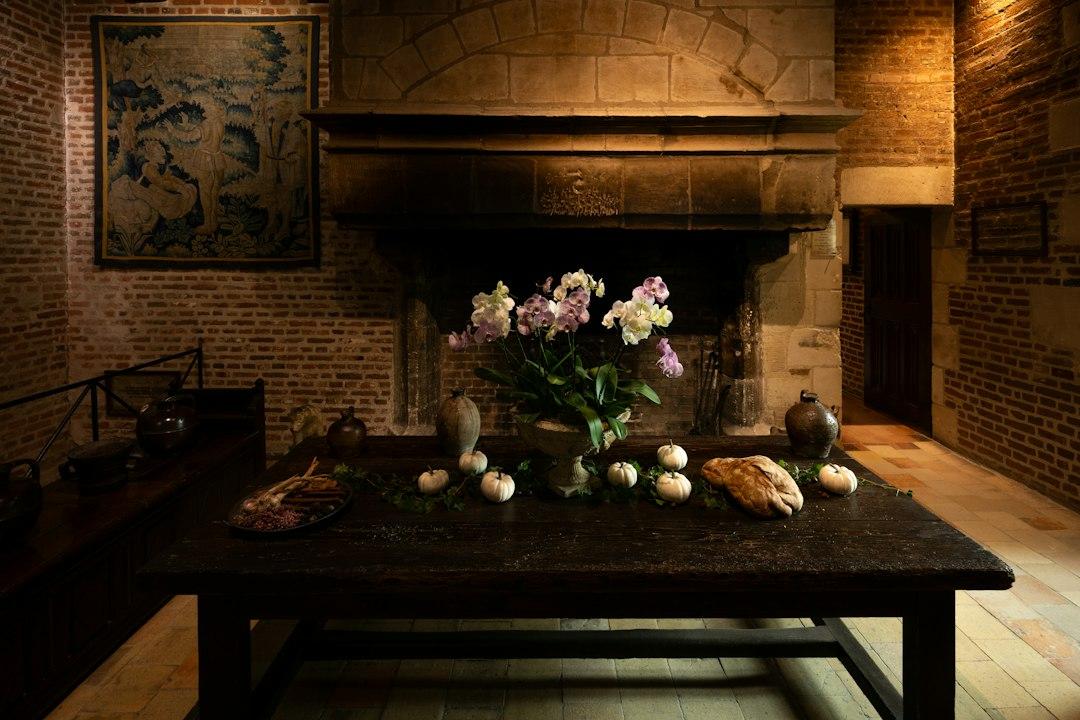
Owners of older houses usually come to inserts by one of two roads. Either the fireplace has been judged unfit for open wood fires, because the box is too shallow, the flue is cracked or unlined, or wood sits too near, and they still want a fire. Or the fireplace works but gives back almost nothing: on a cold evening the fire looks warm while the room gets draftier, as heated air from the whole house is drawn into the opening and lost up the stack. An insert answers both. It is a closed steel or cast iron firebox with a glass front that sits inside the masonry one. The fire burns inside the insert, its exhaust leaves through its own metal liner run up the old flue, and the heat comes into the room off the body of the unit, often helped by a quiet fan. The old brickwork becomes a housing and a chase. It no longer has to contain flame or carry hot gases against ninety-year-old joints.
Fit is the hard part in an old house. Insert makers design around the fireboxes of recent decades. A twenties coal-sized fireplace may be eighteen inches deep and narrower at the back than any current wood insert, though several small gas models are made for exactly that case. A fifties ranch fireplace may be five feet wide and barely two feet tall, which calls for a low, wide unit or a surround panel made to cover the difference without looking like a patch. Arched Spanish openings need a custom trim. We take six measurements at least: width at the front and at the back, height at the front and at the back, depth at the floor and depth at the lintel, then the flue size and the path to the top. We also note where gas and power can reach the box. From those we give you the short list of units that truly fit, not the full catalog.
Gas or Wood, the Liner, and the Price
Gas inserts are what most of our older-home customers choose. They light from a switch or remote, give steady heat, and need a slim pair of flexible liners, or a single one for some models, which will pass through a tight old flue where a wood liner might not. Fitted, a gas insert costs $2,650 to $5,250 here. Four things place a job inside those figures: the model picked, the length of liner, the distance the gas line has to travel, and whether a power outlet must be added at the hearth. Wood inserts suit people with a supply of seasoned wood and a wish to keep the ritual. They need a full-length insulated stainless liner sized to the unit's collar. For wood inserts there is no list figure. Liner length and the work of getting past an offset vary too much, so the price is worked out from the measured flue and handed to you on paper. Pellet inserts exist too, and we will discuss them if they fit how you live.
Installation on an older chimney has a set order. The flue is swept and, unless it was scanned recently, inspected by camera, so we know the liner's route is open and the masonry around it is stable. The old damper plate is taken out or locked open to make way. Liner goes down from the top, the insert is set and connected, and the top of the flue is closed around the liner with a metal plate and finished with a cap. Gas connections are pressure tested; wood units get a first fire with you present so the controls make sense. Then the trim panel goes on. Nothing about this harms the original fireplace: an insert can be removed by a later owner and the hearth returned to open use if the masonry is repaired. If no fireplace exists where you want heat, a direct-vent gas unit built into a fresh position is $4,200 to $8,450. Write to us from the contact page with the opening's rough size and the decade the house dates from. We fit inserts in Stanton, La Mirada, Seal Beach and Artesia.
How Hatfield Chimney Sweep Goes About It
Age Comes First
We work out how the chimney was built before choosing a tool or a mortar
Unhurried Visits
Old brick and tile get the time they need, with no rushing the roof work
Prices Put in Writing
Posted figures where we have them, itemized figures for everything else
The Original Kept
Sound brick, tile and ironwork stay; only what has failed is replaced
Where We Carry Out Fireplace Inserts
Housing stock differs from one town to the next, and so does this job. Choose your city below for how it goes there.
CA
Fireplace Inserts in Stanton
Stucco, small, 1950s to 1970s: that describes the usual Stanton house, and detached ones are only 27% of all units. Hearths of that vintage may keep their first damper and firebox, which we examine before any change in use.
Read the local pageCA
Fireplace Inserts in La Mirada
Before the tracts there were olives: the McNally ranch, Andrew of Rand McNally being its owner, dates from the 1880s. Houses arrived in the 1950s and 1960s with masonry fireboxes proportioned for logs, which Hatfield measures before gas is fitted.
Read the local pageCA
Fireplace Inserts in Seal Beach
Homes built before 1980 are 89% of Seal Beach: the College Park East and West tracts, plus Leisure World (1962, a Ross Cortese co-op community). At that age a firebox and damper are original fabric, and we repair them with that respect.
Read the local pageCA
Fireplace Inserts in Artesia
Figures before opinions: 76% of Artesia homes are pre-1980 and 11% pre-1950. On the pre-1950 ones Hatfield hunts for reinforcement ahead of all else, since the 1933 Long Beach quake damaged masonry of the unreinforced kind all through the county's south.
Read the local pageThe Rest of Our Work
Chimney Sweep
Soot and creosote cleared from flues that have served the same hearth for decades, with the room protected before any brush moves.
About this service →Chimney Inspection
A reading of the whole chimney from firebox to cap, at the level that suits the age and use of the fireplace.
About this service →Chimney Repair
Repairs to brick, mortar, tile and metal on chimneys old enough to have been patched more than once already.
About this service →Fireplace Inspection
A room-side check of firebox, throat, damper and hearth on fireplaces built long before modern clearance rules.
About this service →Fireplace Repair
Firebox, hearth and throat repairs that keep an original fireplace in service instead of tearing it out.
About this service →Chimney Level 2 Inspection
The camera inspection: the flue interior shown on screen foot by foot, plus the parts of the chimney hidden behind finishes.
About this service →Chimney Cap Installation
New caps for flues that were left open to the sky, measured and fastened to suit old clay tile or bare brick.
About this service →Chimney Flashing Repair
Leaks where shingles meet brick, fixed with stepped metal let into the mortar joints instead of one more layer of tar.
About this service →Chimney Masonry Repair
Repointing and brick replacement in mortar soft enough for old brick, so the repair does not damage what it joins.
About this service →Chimney Rebuilds
Partial or full rebuilding for stacks that lean, shed brick or have lost their mortar, kept true to the look of the house.
About this service →Fireplace Cleaning
Cleaning of the firebox, grate, doors and surround, with care for old tile, soft brick and original finishes.
About this service →Gas Fireplace Cleaning
Dust, webs and white film removed from gas burners, pilots and glass so the flame burns the way it was set up to.
About this service →Gas Fireplace Repair
Diagnosis and repair for gas fireplaces and log sets that have stopped lighting, drop out mid-burn or burn dirty.
About this service →Fireplace Remodel
Surround, mantel and hearth work for fireplaces that were altered badly or should suit the period of the house again.
About this service →Pellet Stove Repair
Repairs to pellet stoves and pellet inserts, covering the motors, igniter, sensors and venting that keep them burning.
About this service →Wood Stove Repair
Gaskets, firebrick, baffles, glass and stovepipe renewed on wood stoves, older cast-iron models among them.
About this service →Gas Logs
Gas log sets for wood fireplaces, chosen to fit the opening and installed only once the flue has been inspected.
About this service →Chimney Seismic Retrofit
Bracing, anchoring or lightening of unreinforced brick chimneys, which were built with no steel inside them.
About this service →Chimney Crown Repair
Sealing or recasting of the masonry top that sheds rain off the brickwork, where most old chimneys first let water in.
About this service →Dryer Vent Cleaning
Lint cleared from the whole exhaust run, including the long, bent ducts older houses ended up with when laundry moved indoors.
About this service →Chimney Liner Installation
Stainless liners for chimneys built with no lining at all, or with clay tile that has cracked, shifted or been outgrown.
About this service →Chimney Leak Repair
Water entry followed back to its true source on old chimneys, then stopped at that point instead of sealed over.
About this service →Chimney Waterproofing
A clear water repellent for old, absorbent brick, applied only when the chimney is in good enough repair to benefit.
About this service →Chimney Damper Repair
Seized, rusted or missing throat dampers freed, rebuilt or replaced, on fireplaces that may never have had a tight one.
About this service →Chimney Chase Cover
Custom metal tops for the framed chimney enclosures found on later mid-century houses and on additions to older ones.
About this service →