
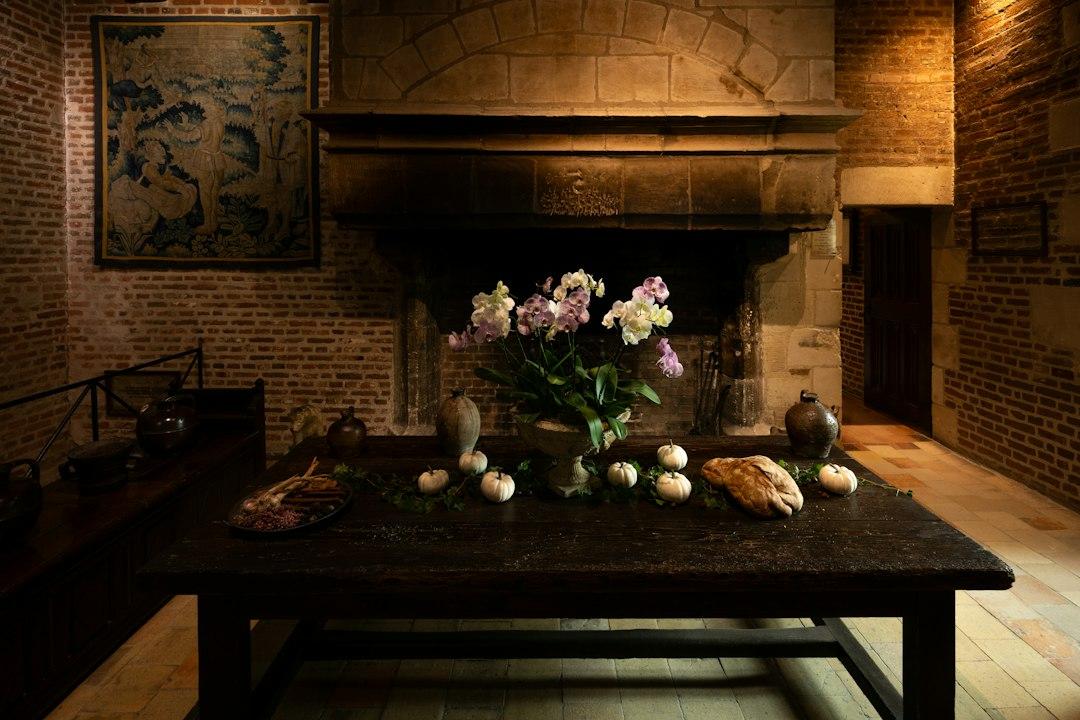
Know the chimney before the buyer's inspector does
Taking on an older listing?
Give us the property address, its approximate age and when photography is planned. We ring back to settle entry and who is copied on the report.
Where the chimney sits in the listing timeline
Count backwards from the day the listing goes live. Photography and staging come just before it. Repairs the seller elects to make come before those, and quotes for the repairs earlier still. Ahead of all of it sits the inspection, because nothing after it can be planned without it. Laid out that way, the chimney visit belongs at the point the listing agreement is signed, next to the first walk-through.
Left out, the same information turns up anyway. It arrives from the buyer's side, part-way through their contingency period, stapled to a request. By then the seller is picking between a credit sized by somebody else's estimate and a hurried repair, and would have chosen neither with the report in hand a month sooner.
- Listing agreement signed: order the Level 2
- Report received: seller and agent sort the findings into repair, reflect in the asking price, or pass on as found
- Written quotes obtained for the repairs chosen
- Repairs completed and photographed
- Report, quotes and receipts filed ahead of photography
Why older listings are the ones that get reopened
A buyer's general inspector will nearly always recommend a specialist for a chimney of this age, and the specialist will find what is there. On pre-war houses that is often a flue with no liner, a damper rusted in place and soft joints near the top of the stack. On mid-century ranch houses it is cracked clay tile, a thin broken crown and flashing buried under roofing tar. On Spanish houses stucco conceals the brick, so cracks are found by camera from the inside.
These are ordinary findings for the age of the building and most have ordinary repairs. What makes them expensive in a sale is surprise. A seller who has already had the flue scanned can show a buyer the same pictures the buyer's specialist would have taken, with the repair either done or priced.
What you receive and how it reads
The report leads with one sentence on whether the fireplace is usable. Each finding then gets a photograph, a location and a short description in everyday words: what was seen, why it matters, what would put it right. A typical line reads: second flue tile from the top cracked through on the north side, shown in still 14, liner needs repair before wood is burned. Nothing needs translating before it goes to a client, and nothing is softened or dropped to help a sale.
If the seller wants repairs priced, the quote lists each item separately so some can be done and others left. When we carry out the work, photographs of the finished repair and an invoice naming what was done follow, which answers the buyer's question before it is put.
Entry and who is copied
Let us know how the house is entered and whether anyone is living in it. The technician needs to get to the fireplace, the attic hatch and the roof. Say who is to be sent the report: usually the seller and you, sometimes a co-listing agent or a family member handling an estate. The seller, as the person ordering, decides whether it travels any further.
Pre-list inspection prices
The same flat figures apply whether the seller or the agent places the order.
- Pre-list flue scan and written report (Level 2)
- $370
- Level 1 look-over for a hearth in steady, unchanged use
- $160
Where wood has been burned, a sweep from $395 may be needed so the camera can see the liner. Repair figures come as a written quote once the report is finished.
Questions from listing agents
Does a pre-list report stop the buyer ordering their own?
No, and it should not be presented that way. Buyers are free to inspect. What changes is the starting point: their specialist is checking a documented chimney, not discovering an unknown one, and a finding that matches a report already in the file seldom turns into a bargaining point.
Will a report create a disclosure problem for my seller?
The report records the condition of the chimney. How that is disclosed is a matter for the seller, you and any legal adviser, and we give no advice on it. The defects are there whether or not anyone has looked, and buyers of older houses usually do look.
The fireplace has not been used in years. Is it still relevant?
Yes. A chimney wears from weather and ground movement whether or not a fire is lit, and a buyer may intend to use it. An idle flue in an older house is also where we most often come across nests, fallen mortar and a damper that no longer moves.
Can the finished repair be put on record?
Yes. When we do the repair, completion photographs are part of the job. If another contractor did it, a fresh inspection at the standard price documents the chimney as it now stands.
Do you inspect vacant and estate properties?
Yes, provided somebody can give entry and the roof can be reached. With estates we are often asked to copy an executor or a family member, and we do that on the instruction of whoever orders the visit.
Order the report when you take the listing
Send the address, the approximate age of the house and the entry arrangements through the contact form. We confirm the visit and the list of people to be copied.
Call (657) 213-7213