
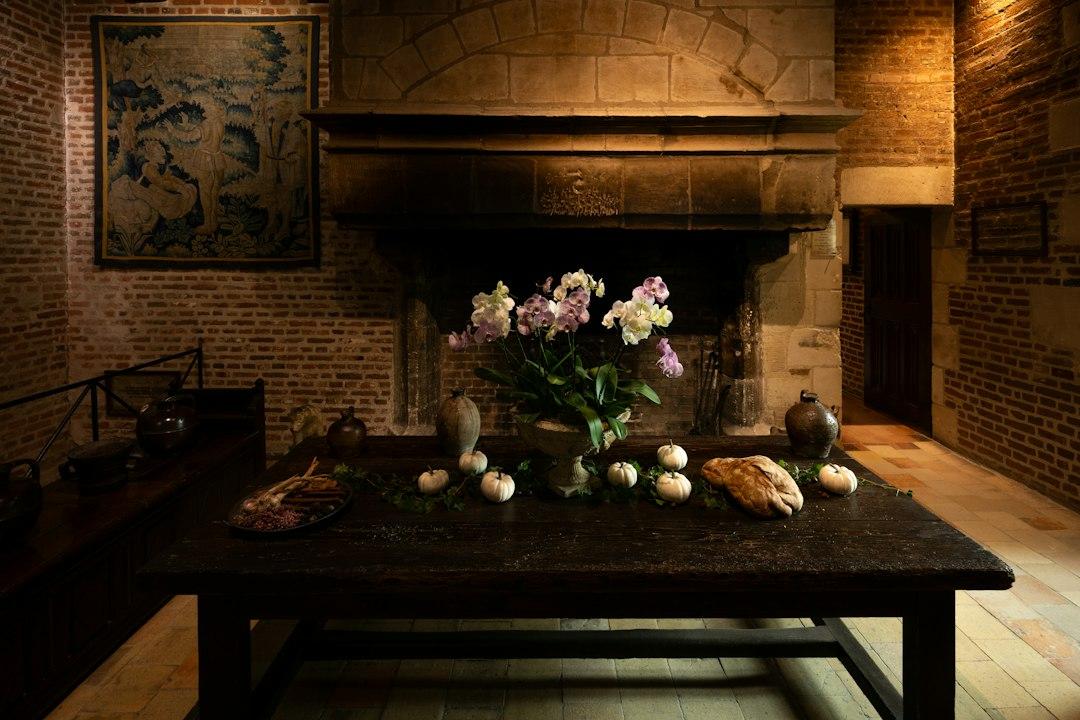
The fireplace check that belongs between leases
Unit coming vacant?
Name the property, count the hearths and note the fuel for each. We answer with a total and arrange entry through your office.
The move-out checklist
These are the items we go through in a unit between tenancies. Each is quick taken alone. Together they tell a manager whether the fireplace can be handed to the next tenant as working, handed over with a restriction, or closed off until it is repaired.
A fireplace that passes is recorded as such, with the date. One that does not gets a line stating what is wrong and what it would take to correct, so the choice between repairing and restricting use is made on paper before the next lease begins.
- Firebox: cracked or missing firebrick, scorched walls, signs that something other than firewood was burned
- Damper: opens fully, closes fully, handle or chain still attached
- Flue seen from below: soot depth, tarry glaze, nests or fallen debris
- Gas log set or insert: pilot lights, burner flame looks right, valve and key turn, logs free of soot
- Screen or glass doors: present, unbroken, shutting properly
- Hearth and surround: no gaps or cracks leading toward timber
- Smoke and carbon monoxide alarms by the fireplace room: noted as present or absent
- Roof end: cap seated, mesh whole, crown and flashing sound
What older rental buildings add to the list
Rental stock from before the 1970s was built with open masonry fireplaces meant for wood. Many tenancies later, plenty have had gas log sets added, dampers removed or wired open, and flues left for long stretches without a sweep. A tenant who burned wood in a fireplace set up for gas, or burned rubbish, leaves evidence in the firebox and the flue that a turnover visit picks up.
Shared stacks are another feature of older buildings: one chimney carrying flues from fireplaces on two floors, or a fireplace flue running beside the vent from a water heater. A fault in one can affect its neighbor. Where we see signs of that, the record recommends a camera inspection of the stack before either fireplace is used again.
Charged by the fireplace, at the depth each one needs
Turnover work begins at Level 1, the visual inspection, charged for every fireplace seen. Most units need nothing further. The findings decide the exceptions. Heavy soot or glaze means a sweep before the fireplace is let again. Signs of a past chimney fire, cracked tile visible from below, water in the firebox or a change of appliance mean a Level 2 with the camera, for that flue alone.
Boards and managers with several vacancies, or a yearly round of a whole building, can have all the fireplaces seen on one visit. The record is still a page per fireplace, filed by unit, so a single unit's history can be pulled for a lease file, an insurer's question or a sale.
Entry, occupants and records
For vacant units we work from keys or a lockbox arranged with your office. For occupied units on a yearly round, your office gives notice under the lease and we follow the schedule you set. Common-area fireplaces in a clubhouse or lobby are inspected in the same manner and reported to the board.
Each record carries the unit, the date, the inspection level, the findings with photographs and a statement of whether the fireplace may be used. Kept year after year, they show an owner or a board what was known and when.
Turnover pricing by the fireplace
Every unit begins with the first row. The other two are added for an individual fireplace only when the visual check shows the need.
- Turnover visual check (Level 1), per fireplace
- $160
- Sweep following a wood-burning tenancy
- from $395
- Camera inspection of a flagged flue (Level 2)
- $370
Fitted caps are quoted after we measure. Other repairs found at turnover are set out in a written quote for each unit, with the urgent items marked.
Managers and boards ask
Is an inspection required between every tenancy?
We know of no single rule that says so for every rental; your lease, your insurer and local housing rules are where to check. NFPA 211 recommends a yearly inspection of any chimney in use. Turnover is simply the practical moment for it, with the unit empty and nothing yet lit by the next tenant.
Who pays when the last tenant caused the damage?
That lies between you and the tenant under the lease and the deposit rules. Our contribution is the evidence: dated photographs of the firebox and flue with a description of what was found, which is the record you would want whichever way it is settled.
Can gas fireplaces go on the same round?
Yes. A gas log set or insert is checked for ignition, flame, valve operation, glass and venting and written up on its own page. One that will not light, or that shows soot, is flagged for repair and priced separately in writing.
What about carbon monoxide alarms?
State law puts the duty to fit carbon monoxide alarms on the owner of a dwelling that has a fuel-burning appliance or a fireplace. We note whether an alarm is present near the fireplace room. Testing alarm systems is outside what we do.
Can a fireplace be taken out of use instead of repaired?
Yes, and in some older units that is the sensible course. The record can state that the fireplace is closed pending repair, and we can quote for sealing the flue top and fixing the damper shut so the restriction is physical as well as written into the lease.
How do we arrive at a total for a building?
Give us the number of hearths and the fuel each one burns. At $160 apiece for the visual inspection the base figure is simple arithmetic, and anything beyond it is quoted only for the fireplaces that turn out to need more.
Line up the fireplace check with the vacancy
Through the contact form, give us the property, the number of hearths and what each one burns. We reply with the per-fireplace total and settle entry with your office.
Call (657) 213-7213