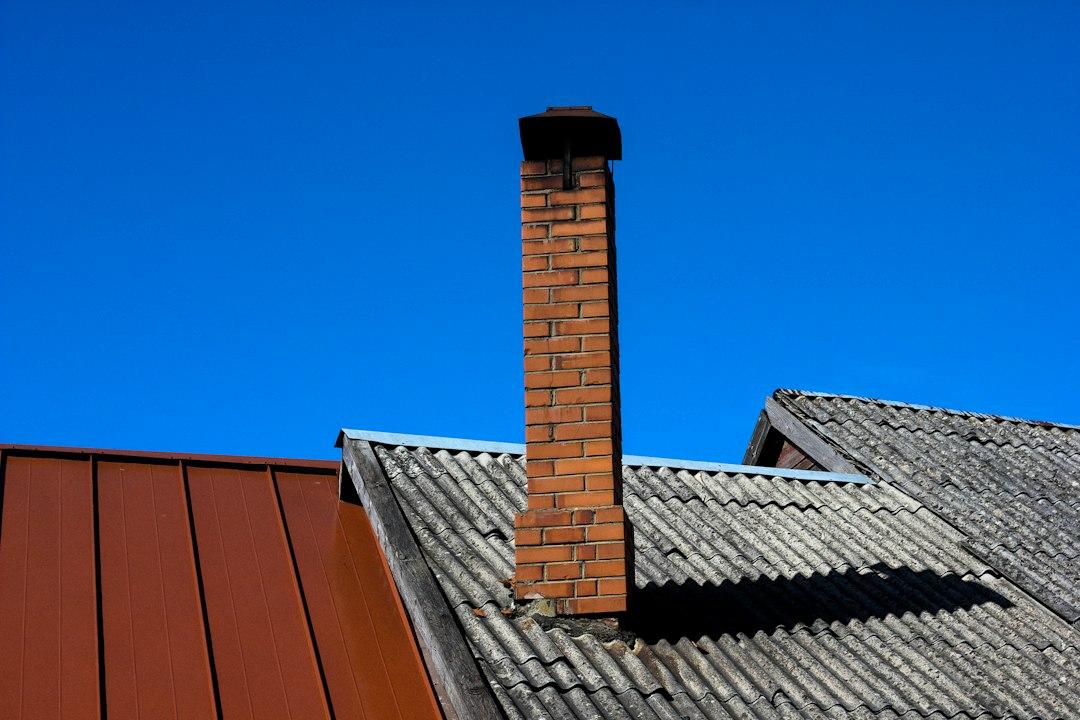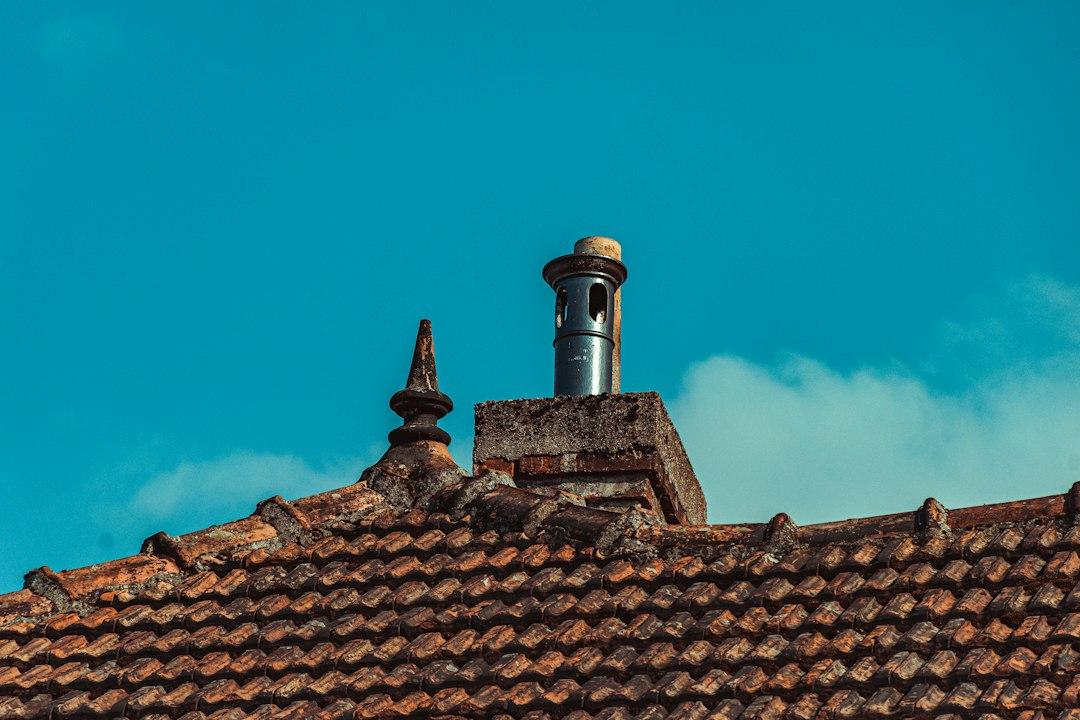
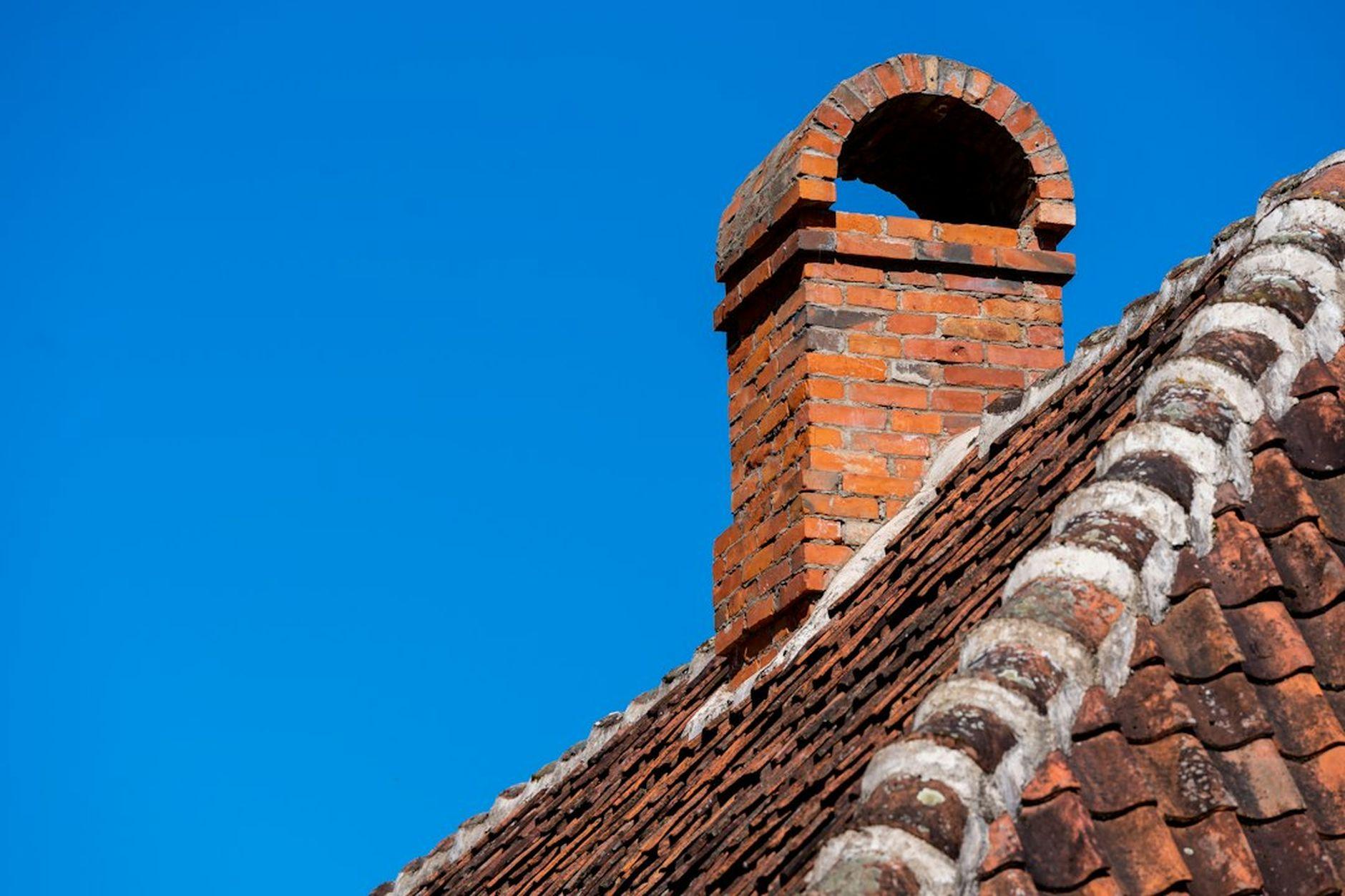
Nobody can price brickwork on a sixty or ninety year old chimney from a desk. Hatfield Chimney Sweep works on older houses in and around Stanton, and this page sets out how a masonry repair figure gets built for them: which jobs carry a published price, which ones are measured first, and why two repairs that sound alike on the phone can come out far apart.
Why an older stack is priced differently
A chimney put up in the 1920s and one put up in 1962 are not the same object. The earlier one was probably laid in lime-rich mortar with a softer, more porous brick, and it may have no clay liner at all. The later one usually has clay tiles inside, a harder brick and a thin concrete wash on top. Both have had decades of sun, winter rain and ground movement.
That history changes the work in three ways. The new mortar has to suit the old brick, or the repair harms the wall it was meant to save. Matching the look takes more care, because a patch of bright grey joints on a weathered red stack shows from the street. And an old chimney seldom has only one thing wrong with it, so the mason has to decide what order the fixes go in.
What has a set price and what does not
Some of the jobs that travel with masonry work are on our rate sheet. Brickwork itself is not, because the amount of labor is only known once someone has been on the roof.
| Work on an older chimney | How it is priced |
|---|---|
| Camera inspection of the flue, Level 2 | $370 |
| Visual inspection, Level 1 | $160 |
| Finding a leak and fixing its source | $525 to $3,150 |
| Sweep ahead of the camera | from $395 |
| Repointing, brick replacement, crown work, relaying or rebuilding | Measured on site, then a written figure |
A new cap fitted over the flue is quoted after we measure. Caps differ because a single-flue screen cap and a made-to-measure cover over a broad top with several flues are very different pieces of metal.
Five things the masonry quote is built from
How deep the joints have gone. A joint that has lost a quarter inch of mortar is a repointing job. A joint you could slide a pencil into, course after course, may mean the brick above has nothing holding it, and that section comes down and is relaid.
How much brick is past saving. Faces that have flaked off, bricks cracked through and bricks that crumble under a thumb are counted one by one. Replacements on a pre-war stack often have to be salvaged or sourced to match in size and color, which costs more than a pallet of new common brick.
Height and reach. A short stack on a single-story ranch roof can be worked from the roof. A tall chimney on a steep Spanish tile roof needs staging and tile protection before the first joint is touched.
What the top looks like. A cracked wash on top lets water into every course below it. If the top has to be recast, that is a line of its own, and it usually goes ahead of the pointing so the new joints stay dry.
What the camera found inside. Outside brickwork and the flue tend to fail together. If the liner is cracked or missing, the quote says whether masonry goes first, the liner goes first, or the two are done in one trip.
If your stack shows any of these, ask for a masonry visit and written quote. Mention the age of the house, how far the chimney stands above the roof and what you have noticed: sandy grit in the gutter, a gap in the joints, a brick that has dropped.
The mortar question on pre-war brick
This is where the age of the house changes the job most. Modern bagged mortar sets very hard. Early brick is softer than that mortar, so when the wall takes up water and dries, or shifts in a small quake, the brick gives way before the joint does. The faces pop off and the chimney ends up worse than before the repair.
On a pre-war stack we test the existing mortar and specify a mix weak enough to be the sacrificial part of the wall. It is slower to work and slower to cure. The quote names the mix, so you can see it was a decision and not a default.
Mid-century chimneys in Stanton were mostly built with harder brick and cement mortar, so the mix is less delicate. Their usual trouble is different: thin top washes, rusted steel lintels over the firebox opening, and cracks left by the 1987 Whittier Narrows quake or the 1994 quake that nobody went up to look at.
Reading two quotes side by side
If you collect more than one figure, line them up on these points.
- Does it state how many square feet, or how many courses, are being repointed?
- Does it name the mortar type?
- Does it say how many bricks are being replaced and where the replacements come from?
- Is the top of the chimney included, excluded or priced as an option?
- Does it say whether the fireplace can be used while you wait?
- Does it list what you are handed at the end, such as photographs from before and after?
A low number that leaves out the top, or says "tuckpoint as needed", is not cheaper. It is less work, described loosely.
When the answer is not repointing
Some chimneys are beyond joint work. The signs are a lean, a horizontal crack running all the way round at the roofline, or several courses that rock when pushed. For those we write the choice plainly: relay the top section, take the stack down to a lower sound course and rebuild, or brace what is there. Our post on repointing compared with rebuilding goes through that choice, and the masonry repair page describes the work itself.
Spreading the cost
Masonry on an old stack does not have to be bought in one piece. The quote separates what keeps water out and brick in place from what is cosmetic. Owners often do the top and the weather face one season and the sheltered faces the next. The one thing we will not defer on paper is brick that could fall.
What you are sent afterwards
After the visit you get a written quote with each line priced, photographs of what we found, the mortar specification, and a note on whether the fireplace is safe to burn in until the repair is done. If we think an inspection should come first because the inside of the flue is unknown, the quote says that too, with the $370 figure for the camera visit.
For brickwork on an older house in Stanton, La Mirada, Seal Beach or Artesia, the contact page is where a visit starts.
Want the Same Care Taken With Your Chimney?
Hatfield Chimney Sweep begins by finding out how an older chimney was put together, then sweeps, films or repairs it to suit. Our van leaves Stanton for the cities listed on the areas page.