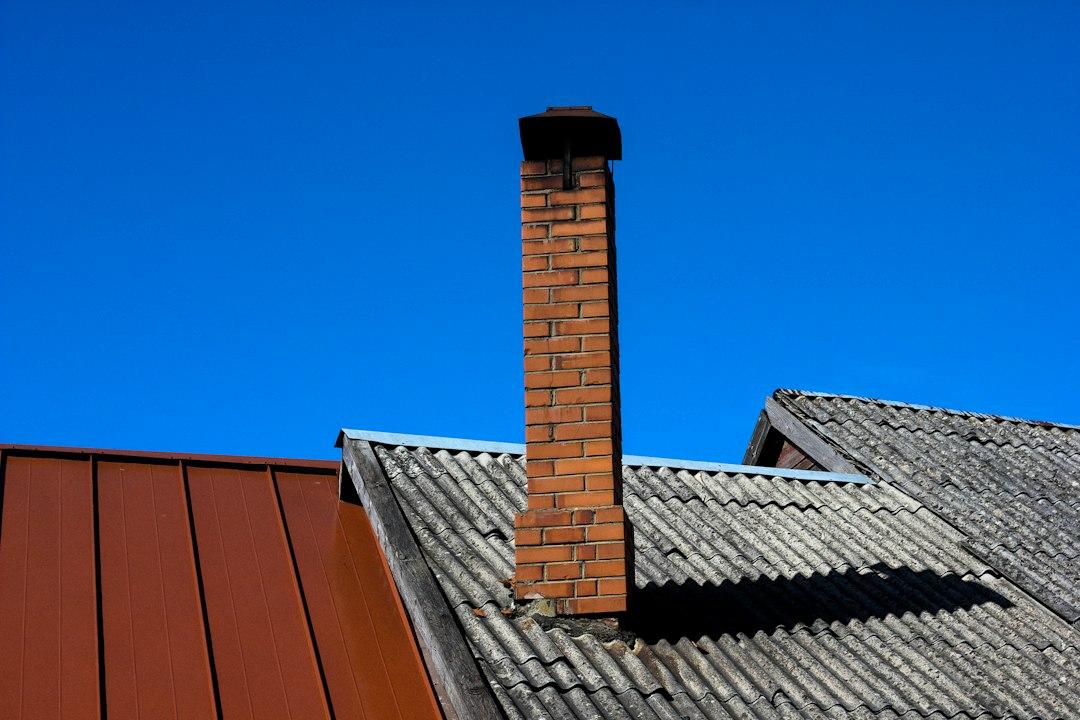
Most chimney companies are set up for the fireplace in a house built in the last few decades. An older house asks for something else, and the difference shows in the first conversation. Hatfield Chimney Sweep works on pre-war, Craftsman, Spanish and mid-century houses around Stanton, and this is what we would want any owner to settle with a company, ours included, before agreeing to a job.
Start with what the house is
The age and style of a house tell a chimney company a good deal before anyone climbs a ladder. A firm that asks for neither is quoting a generic chimney.
- Pre-war bungalows and Craftsman houses. Soft brick, lime-rich mortar, often no liner or a broken one, a cast iron throat damper and a shallow firebox built for small fires. Some have decorative tile round the opening that cannot be replaced like for like.
- Spanish and Mediterranean houses. Brick or hollow clay tile under a coat of stucco, with a shaped top. Stucco hides cracks in what lies beneath, so a look from the yard says very little.
- Mid-century ranch houses. Clay tile liners, wide low stacks, long hearths, and in some a steel firebox form set inside the brick that rusts from the back where nobody sees it.
Stanton has far more of the third kind than the first two, with earlier houses scattered through the cities around it. Whichever you own, say so on the first call and listen to whether the answer changes.
Eight things to settle before work starts
1. Will someone look before a number is given? Sweeping and the two inspection levels carry flat prices because the work is much the same from house to house. Repairs do not. A firm that prices brickwork or a liner over the phone is guessing, and the guess gets corrected on the day, in one direction.
2. Which inspection are they proposing, and why? A visual check suits a fireplace in regular use with nothing altered. If the house has just changed hands, sat cold for years, been through a quake, or is about to get a new appliance, the national standard, NFPA 211, points to the camera-level inspection instead. With us those are $160 and $370.
3. Will you see the footage? The camera recording belongs in your hands, with stills marked by height in the flue. A spoken "your liner is shot" is not a finding.
4. What will the new material be, and does it suit the old? Ask which mortar goes into the joints, what the liner is made of and how it is sized, what the crown will be cast from. On early brick the wrong mortar does lasting harm, so the reply matters.
5. What is the order of work? Old chimneys rarely have a single fault. Water at the top, open joints in the middle and a cracked liner inside may all be present. A sound plan stops the water first, then makes the structure good, then deals with the flue. A plan that begins with the most expensive item deserves a second opinion.
6. What happens to the original parts? The tile surround, the mantel, the arched firebox opening and the outline of the chimney top are part of why the house is worth what it is. Ask what will be protected, what will be removed and whether anything is going to look different afterwards.
7. Can the fireplace be used meanwhile? You are owed a straight yes, no, or yes with a limit, on paper.
8. What do you hold when it is finished? Photographs taken before, during and after, the invoice with each line named, and for a liner or an insert the make and size of what went in. A future buyer will ask for exactly this.
What we send after a visit
The eight points describe our own paperwork. After an inspection you are sent the report with photographs and a plain statement of whether the fireplace is fit to burn in. If repairs are needed, a written quote follows with each item on a separate line, so the pressing ones can go ahead and the others can be scheduled.
Our published figures are short enough to list here.
| Service | Price |
|---|---|
| Level 1 visual inspection | $160 |
| Chimney sweep | from $395 |
| Level 2 inspection with camera recording | $370 |
| Leak found and repaired | $525 to $3,150 |
A cap supplied and fitted is quoted after we measure the flue.
Masonry, crowns, liners, dampers and bracing are measured at the house and priced in writing, because on an older chimney the size of each job is unknown until it has been seen.
To put these eight points to us, send the form with the age and style of your house and say which fireplace or stove the visit is for. We reply with the inspection we would start with and what it costs.
Signs to slow down
A few things should make any owner of an older house pause.
- A price for relining or rebuilding offered before a camera has gone up the flue.
- Pressure to decide while the technician is still in the living room.
- A recommendation to tear out an original firebox with no account of what is wrong with it.
- One mortar for every house.
- Nothing in writing about what was found.
None of these proves bad work. Each one means you are being asked to buy without the information the job depends on.
When more than one trade is involved
Older houses often need a roofer for the flashing, a mason for the stack and a gas fitter for a log set or insert. Ask who coordinates. When one company carries the masonry, the flue and the top of the chimney, there are fewer joins between trades for water to find. Our pages on masonry repair, fireplace repair and the Level 2 inspection set out what we take on.
A word on timing
Fireplace work bunches up when the weather turns cold, and masonry needs dry days to cure. Owners of older houses do well to have the inspection done in spring or summer, when a repair can be planned without a storm on the way. An inspection carried out in June is still current when the first fire is lit in November, provided nothing has changed in between.
If numbers are the next thing you want
Our post on what masonry repair costs on an older chimney explains how the figure is put together and what to compare between two quotes. For a fireplace about to get a new appliance, why the camera goes in before a liner or insert covers the inspection side.
Owners in Stanton and the cities around it can open the conversation on the contact page: say what the house is and what you want the fireplace to do, and we will say where we would begin.
Want the Same Care Taken With Your Chimney?
Hatfield Chimney Sweep begins by finding out how an older chimney was put together, then sweeps, films or repairs it to suit. Our van leaves Stanton for the cities listed on the areas page.