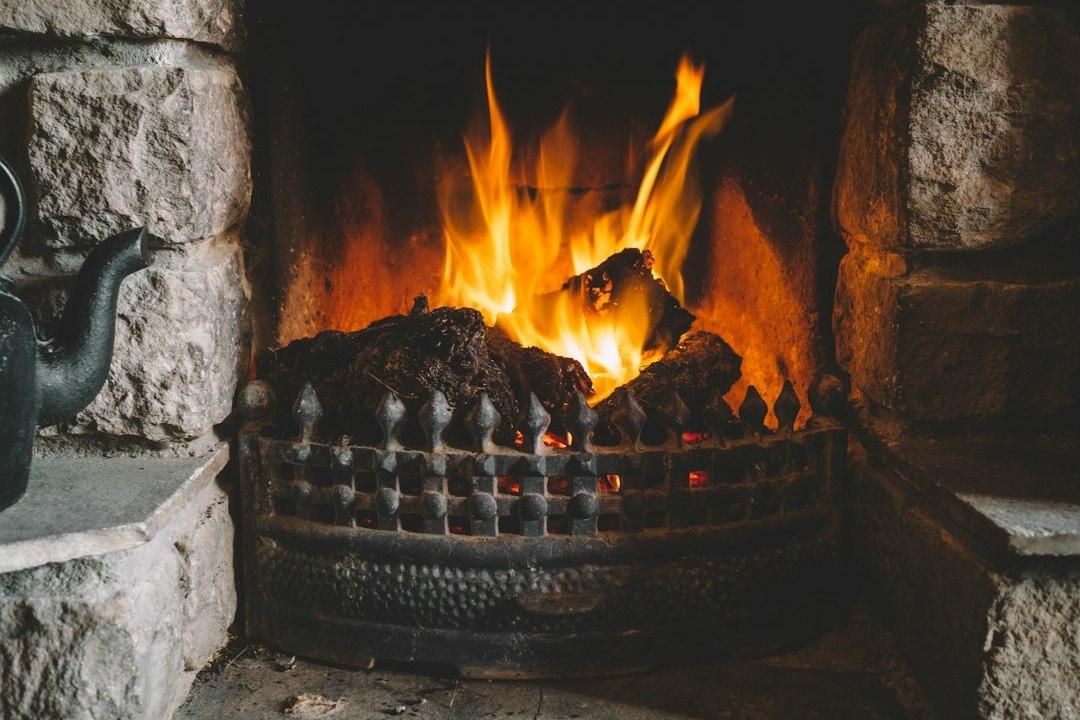
Money spent on a liner or a gas insert is wasted if the chimney it goes into has a fault nobody saw. On older houses in Stanton that risk is real, because the flue was built for a different kind of fire from the one about to be installed. This is why Hatfield Chimney Sweep runs a camera inspection before it prices any appliance or liner, and what that inspection decides.
The rule behind it
Chimney inspections across the US are judged by NFPA 211. That standard sorts them into three depths, and it ties the middle grade, Level 2, to particular events. One of them is a change to the system: a different fuel, a new appliance, a new liner, a flue of a different size or shape. Putting a gas insert into a wood fireplace is such a change. So is relining.
The reasoning is practical. The installer is about to connect new equipment to an old passage through the house, and the standard wants that whole passage seen first, including the stretches hidden in the attic and behind walls. With us a Level 2 visit is $370.
What an older flue was built for
A fireplace from the 1920s or 1930s was designed for an open wood fire that sent a large volume of warm, diluted smoke up a wide flue. Many of those flues were bare brick, parged with mortar at most. Mid-century fireplaces generally have square clay tiles stacked inside, with a mortar joint between each pair.
Neither was designed for what gas does. Gas exhaust is cooler and carries a lot of water vapor. In a wide, cold flue it condenses on the walls, and that acidic moisture eats mortar joints and the back of the brick. A gas appliance vented loose into an old masonry flue can do damage that an open wood fire never did. That is why an insert gets a correctly sized metal liner of its own for the full height, and why the old flue has to be fit to carry one.
What the camera settles
The inspection answers questions that change the purchase.
- Is there a liner, and is it whole? Missing tiles, cracked tiles and joints washed out by years of rain decide whether the flue needs relining for the use you have in mind.
- Will a new liner physically fit? Old flues jog sideways, narrow near the top, or have a tile that has slipped across the passage. A liner that cannot pass means a different size, a different product or masonry work first.
- Is there timber where it should not be? In pre-war houses, framing was sometimes built hard against the chimney or even let into it. The attic part of the visit finds this.
- What else shares the chimney? An old water heater or wall furnace vented into the same stack changes the liner plan completely.
- Is the firebox sound? An insert sits in the firebox. Loose firebrick, a rusted steel form or a cracked hearth slab is dealt with before the unit goes in.
- Can the top take it? A liner ends in a plate and a cap at the crown. A broken crown is repaired as part of the install, not left under new metal.
Each finding is recorded with a photograph or a still from the recording, and with its position in the chimney.
Sweep first, if it has been burning wood
A camera sees soot, not tile, in a flue that has not been swept. If the fireplace has been used for wood, a sweep comes ahead of the scan. That is from $395 and can be done on the same visit.
What the purchase then costs
Once the flue is known, the appliance can be priced without guessing. Our published ranges:
| Item | Price |
|---|---|
| Level 2 inspection with recorded scan | $370 |
| Gas insert fitted into an old masonry hearth | $2,650 to $5,250 |
| Direct-vent gas fireplace placed where the house has none | $4,200 to $8,450 |
A cap for the top of the new liner or flue is quoted after we measure.
Where your job lands in a range depends on the unit you choose, how tall the chimney is, the route for the gas supply and what the scan showed needs putting right first. A liner on its own, for a fireplace that will keep burning wood or for a furnace flue, has no list price with us. We measure for it during the inspection and put the figure in writing, with the material and diameter named.
If you are about to buy, book the Level 2 first and tell us what you plan to install and what the fireplace burns now. The written report comes to you, and the appliance quote is built on it.
Three ways the scan changes the plan
The insert becomes simpler. The flue is straight and sound, the firebox is solid, and the job is the unit, its liner and a cap. You buy on evidence instead of hope.
Repair comes first. The scan finds a crown broken through, joints open near the top or a firebox wall that moves. Those go on the quote ahead of the unit, each on a separate line, so you can see what is repair and what is the appliance.
A different appliance fits better. A flue too tight or too crooked for the liner an insert needs may still suit a log set. Or the sounder answer may be a direct-vent unit on another wall that leaves the old chimney out of it. Hearing that before you order is the point of the visit.
Local rules that bear on the choice
Stanton lies inside the South Coast Air Quality Management District. Its Rule 445 governs wood burning: on days the district declares during the cooler months, lighting a wood fire in a fireplace is not allowed, and new construction cannot include a permanently installed wood-burning device. Appliances that burn only gas are outside those burn bans, which is one reason owners of older fireplaces convert. Gas work and new vents are also subject to city permits, and our quote says which step applies.
If the fireplace is staying as wood
Not every owner wants gas. An original fireplace with a damaged flue can often be relined and kept as it was meant to be used. The scan decides the liner material and whether the smoke chamber needs smoothing before the liner goes in. Our liner installation page explains the options, the fireplace inserts page covers the units, and the post on what masonry repair costs on an older chimney deals with the brickwork that sometimes goes with either.
What you hold at the end
The inspection leaves you with a written report, the stills, and a statement of what the flue can and cannot serve as it stands. If you then order an appliance or a liner from us, the quote names the unit, the liner material and diameter, the cap, any repair lines and the permit step. After the install, photographs of the finished work and the product details are added to that record, which is what a future buyer of the house will want to see.
To arrange the inspection for a house in Stanton, La Mirada, Seal Beach or Artesia, use the contact page and name the appliance you have in mind.
Want the Same Care Taken With Your Chimney?
Hatfield Chimney Sweep begins by finding out how an older chimney was put together, then sweeps, films or repairs it to suit. Our van leaves Stanton for the cities listed on the areas page.