A brown mark on the ceiling beside the chimney breast tells you water got in. It does not tell you where. On an older house there are usually several candidates, and paying to fix the wrong one is the commonest way a leak repair goes over budget. Hatfield Chimney Sweep finds the source before it prices the cure. These are the prices, and the reasons a job in Stanton lands where it does inside them.
The published ranges
| Work | Price |
|---|---|
| Tracking down a chimney leak and repairing what caused it | $525 to $3,150 |
| Diverter saddle built on the roof above the stack | $420 to $950 |
| The same saddle with every piece of flashing renewed | $630 to $1,600 |
| Level 2 inspection, when the inside needs seeing too | $370 |
Rebuilding a crown, repointing, sealing brick and replacing a chase cover have no list price. They are measured at the house and put in a written quote. A cap made or fitted for the flue top is quoted after we measure.
Where older chimneys let water in
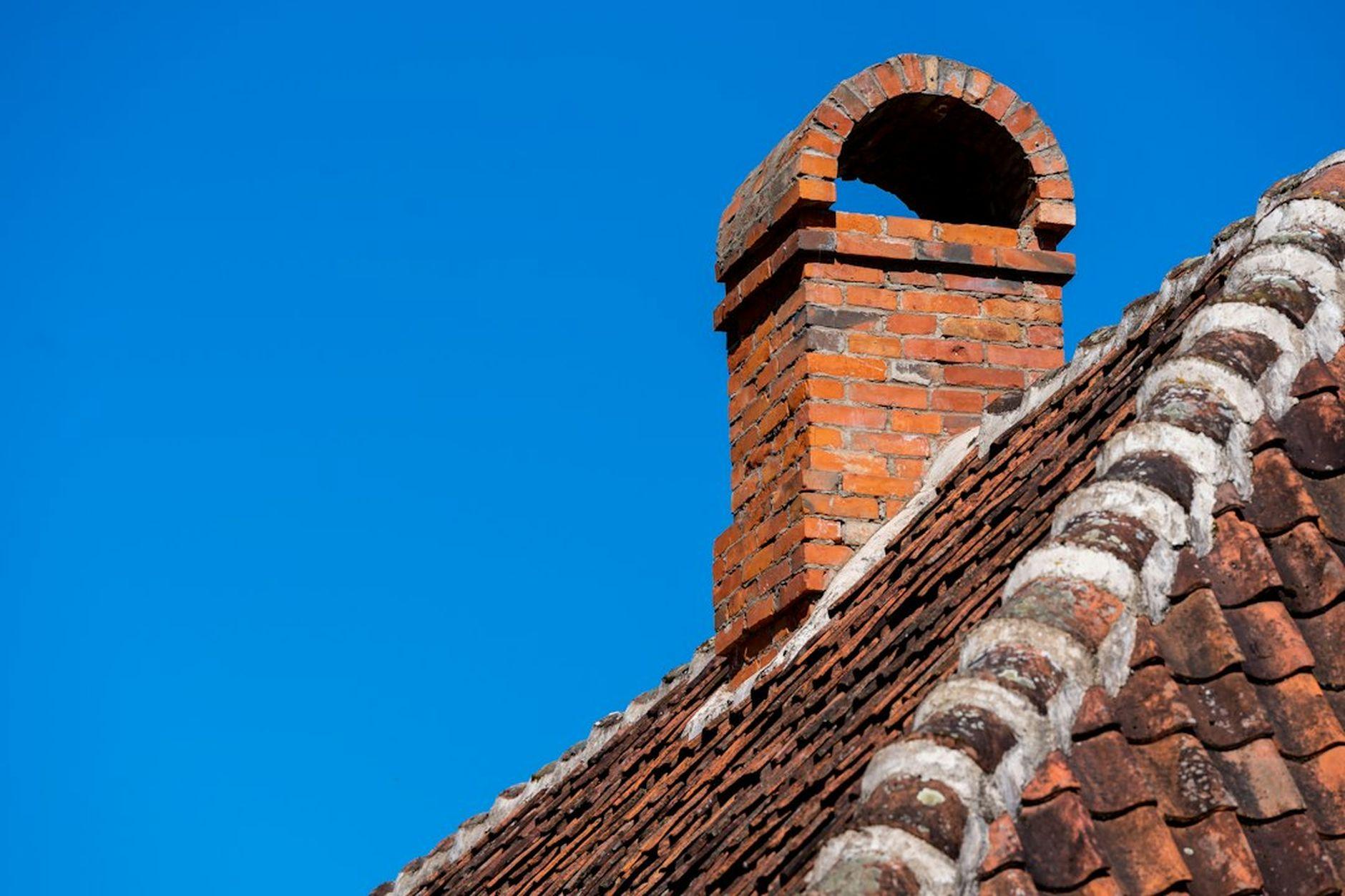
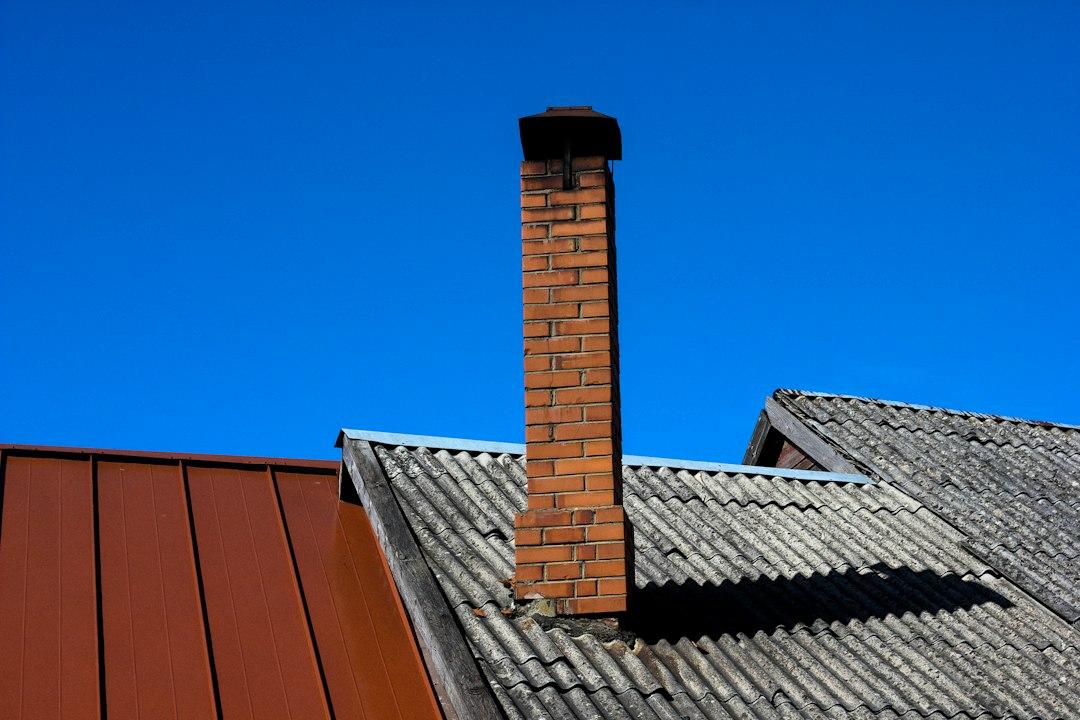
The flue opening. Many old chimneys never had a cap, or have one that has rusted through. Rain falls straight down the flue and shows up as a damp firebox or a rusty damper.
The crown. The sloped mortar top around the flue was often a thin trowelled skim. Decades of sun crack it, and water runs through the cracks into the brickwork below.
The brick and joints. Soft pre-war brick and sandy lime mortar soak up wind-driven rain. Once the joints recede, each one becomes a small shelf that holds water against the wall.
The roof junction. Sheet metal laps the gap between roofing and brick. On an older house the roof has usually been replaced more than once, and the original metal was often reused, cut short or buried in roofing tar each time. Tar dries out and splits, and the gap it covered opens again.
The up-slope side. A wide chimney low on a roof slope dams the water coming down behind it. Leaves collect there and water backs up under the roofing. The cure is a small peaked saddle, which roofers call a cricket, that splits the flow to either side.
Older chimneys often have two of these at once, which is why the first repair someone paid for did not stop the stain.
What moves a job within the range
Leak work at the lower end is a single fault that is easy to reach: one length of counter-flashing reset and sealed into its joint, or a small crown crack on a low roof. The middle of the range is typical where the step flashing along both sides has to come out and go back in new, with the roofing lifted and relaid around it. The top of the range is a chimney leaking from more than one place on a steep or tiled roof, with damaged sheathing to make good around the stack.
A saddle costs more as the chimney gets wider and the roof steeper, and tile roofs take longer than shingle. The combined figure applies when the old flashing is past reuse, which on older roofs is common.
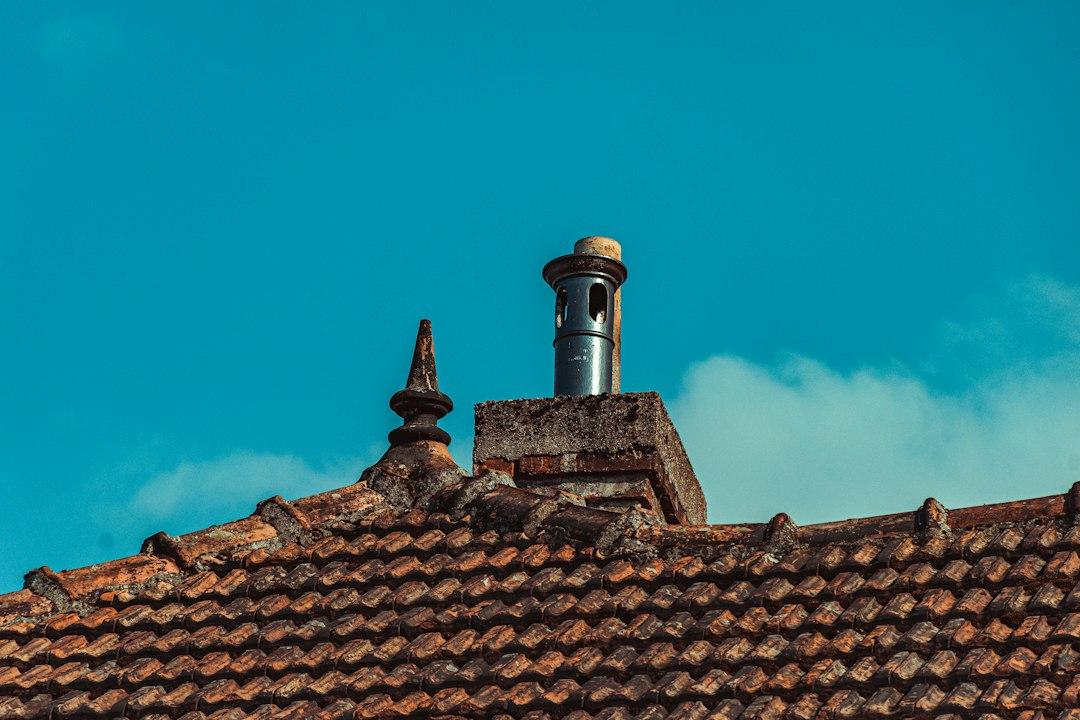
Caps differ for a plain reason. A stock stainless cap for one clay flue is a small job. A full-width cap made to measure for a chimney with several flues, or a cap in copper, is fabricated to order.
To get a figure for your own roof, request a leak visit and say where the stain or damp is, which rooms the chimney passes through and whether the roof has been replaced in the last few years.
How we find the source
The visit starts dry. We look at the ceiling and the attic around the chimney first, because the stain pattern on the framing points up-slope or down-slope. Then the roof: cap, crown, brick faces, each run of flashing and the up-slope side. If the cause is plain, the visit ends there with photographs.
If it is not, we wet the chimney one part at a time, lowest first, and watch from inside. Starting low matters. Wet the top first and water runs over everything below it, and nothing has been learned. If the firebox itself shows water, a camera goes up the flue to see whether rain is entering from above or through a wall.
Why older brick needs a different cure
Two common fixes do harm on old masonry. A sealer that forms a film on the surface stops rain getting in and also stops moisture getting out, and soft brick with moisture trapped in it sheds its face. Where a water repellent is the right answer, we use one that lets vapor pass.
The other is hard cement mortar smeared over soft brick and lime joints. It cracks away at its edges and funnels water behind itself. Our repairs are made in a mortar matched to the wall, which is slower to source and mix but does not start the next leak.
Near the coast
In Seal Beach and the neighborhoods nearest the water, salt air shortens the life of thin galvanized caps and flashing. For those roofs we quote stainless steel or copper and say why on the quote. Inland, in Stanton, La Mirada and Artesia, sun and age do more damage than salt, and the usual finding is dried-out sealant and a cracked crown.
What a leak costs if it is left
Water at a chimney rarely stays a ceiling stain. It rots the roof sheathing and the framing beside the stack, rusts the damper and the steel lintel over the fireplace opening, loosens firebrick and washes out joints that then need repointing. A lintel that rusts swells and cracks the brick above it. Each of those is a larger job than the flashing or cap that would have prevented it.
There is a seasonal side to this. Most rain here falls in a few winter months, so a leak found in spring has a long dry stretch in which it can be fixed without tarps or a wet attic.
What arrives after the visit
You get photographs of the entry point, a statement of what we tested and what we ruled out, and a written quote with one line per repair. If two sources were found, each is priced separately so you can see what each one costs.
The service pages for leak repair, flashing repair and crown repair describe each job, and the post on masonry repair costs for older chimneys covers the brickwork side.
Owners in Stanton and nearby cities can book a leak visit from the contact page.
Want the Same Care Taken With Your Chimney?
Hatfield Chimney Sweep begins by finding out how an older chimney was put together, then sweeps, films or repairs it to suit. Our van leaves Stanton for the cities listed on the areas page.