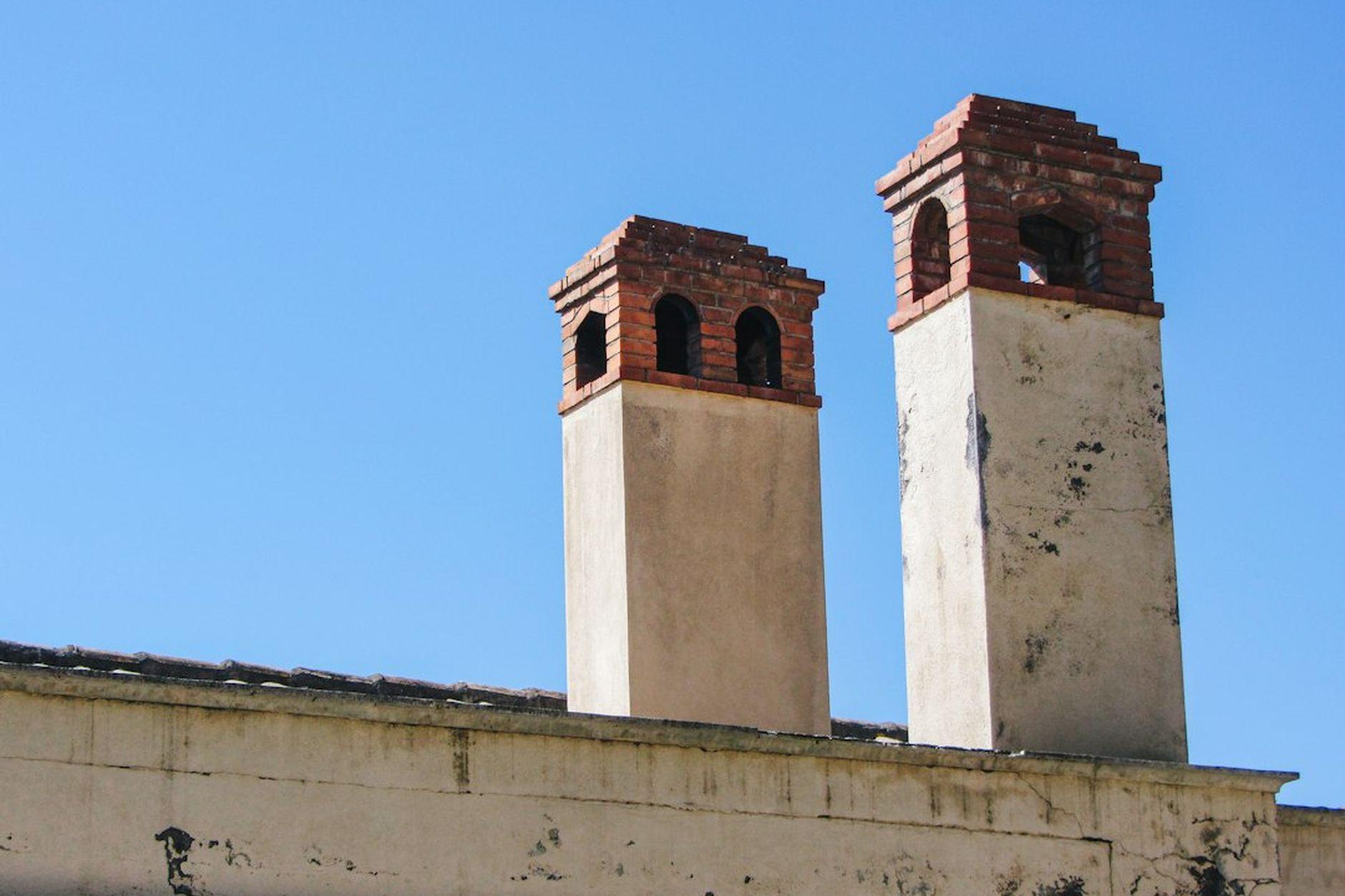
Brick is strong when it is squeezed and weak when it is bent, and an earthquake bends a chimney. For owners of older houses in Stanton the question is not whether the stack would be stressed in a large quake but what can sensibly be done about it beforehand. Hatfield Chimney Sweep assesses older chimneys for retrofit and writes up the options, with a price beside each, so the decision can be made calmly instead of after the fact.
Why age matters here
A chimney on a pre-war house was usually laid as plain brickwork: no steel inside it and no straps tying it to the frame of the house. After the 1933 Long Beach quake the building rules for masonry in California tightened, and chimneys built in later decades are more likely to have vertical steel bars and metal anchor straps at the floor and roof lines.
More likely is not the same as certain. Plenty of mid-century stacks were built light, and plenty of older ones were altered, extended or relaid above the roof by whoever was working on the house that year. None of that can be told from the lawn. It takes a look in the attic, at the roofline and down the flue.
Where a chimney breaks
Three failures account for most of what is seen after a quake.
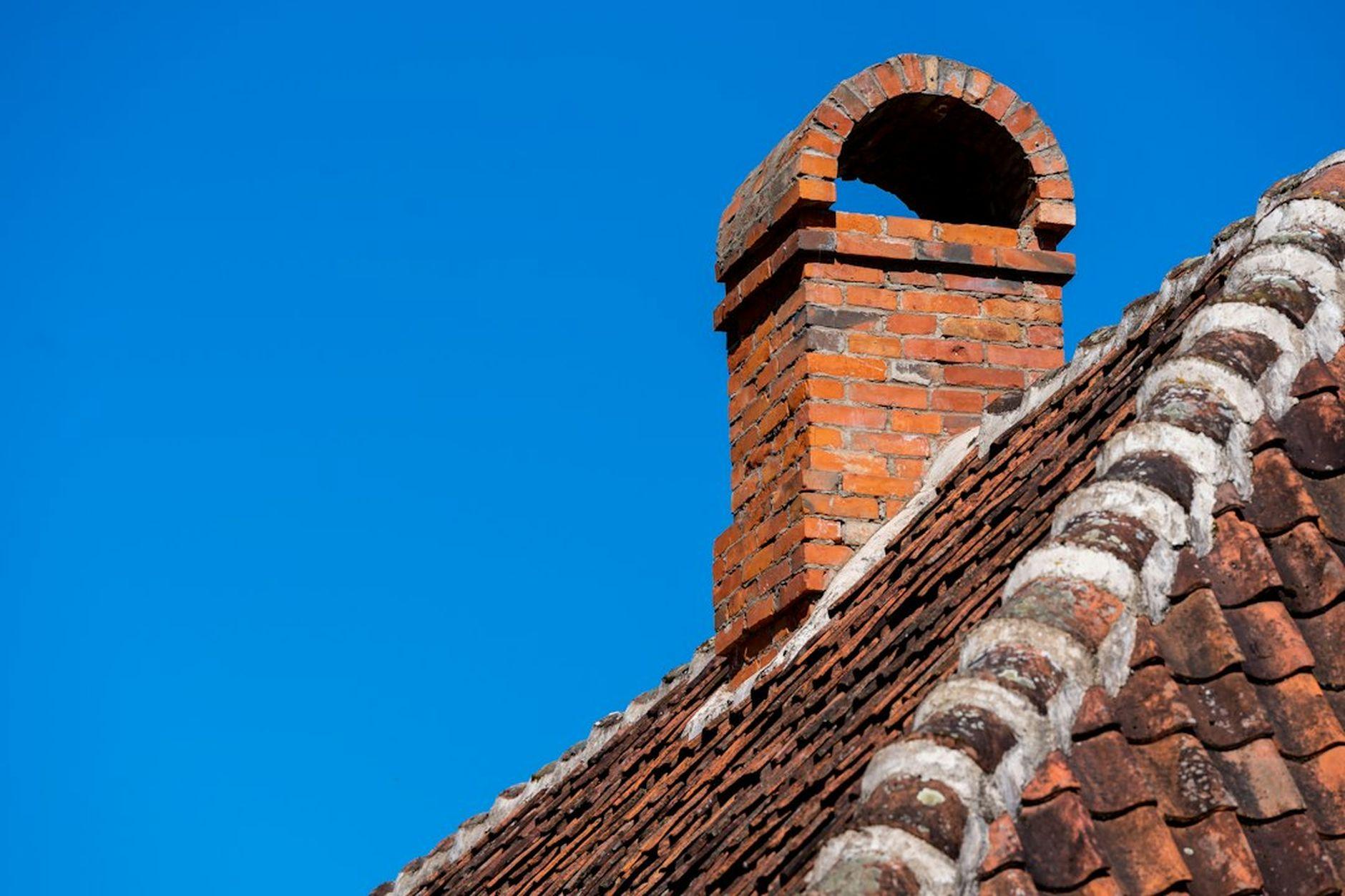
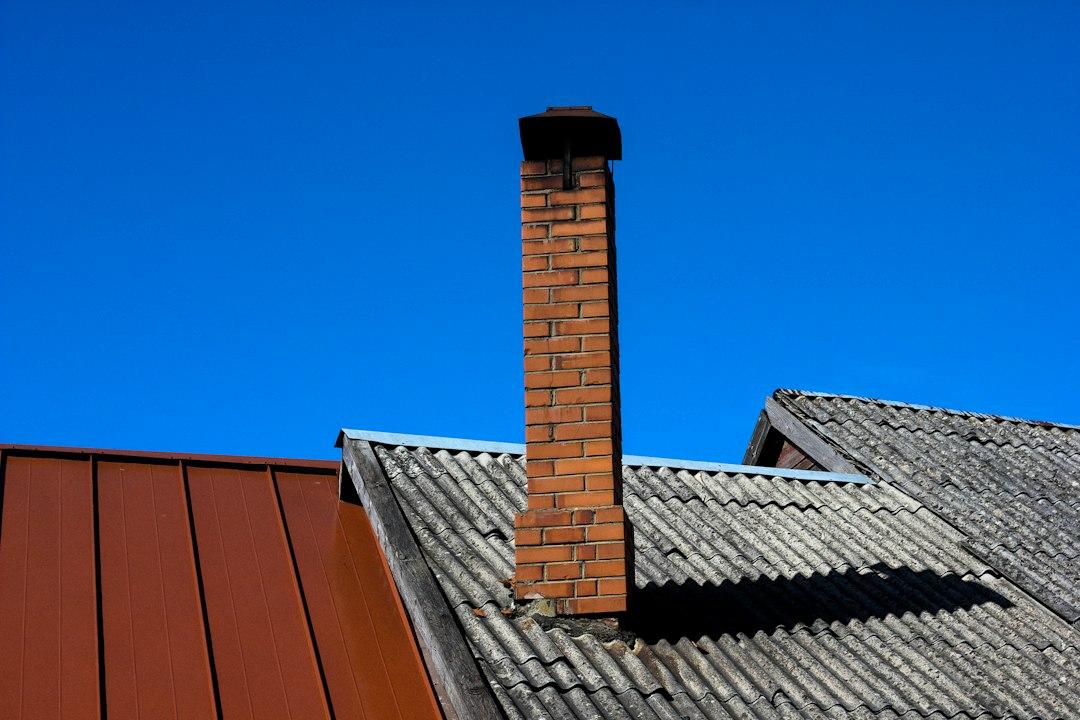
- The top snaps off. The part above the roof stands free, so it whips as the house moves. It cracks where support ends, usually at the roofline, and the piece above that crack is what lands on the roof, the driveway or the side yard next door.
- The stack peels away from the wall. An exterior chimney that is not tied in rocks outward. Afterward there is a gap between brick and siding or stucco that is wider at the top than at the bottom.
- The flue shifts inside. Clay tiles slide at their joints even when the outside brick looks untouched. That cannot be seen without a camera, and a fire lit under a displaced tile sends heat and smoke into the structure.
What the assessment looks at
An assessment is a survey of how the chimney is built and held, not a sales visit for one product.
- Height and width. How far the stack rises above its last point of support, and how slender it is. A tall, narrow top is the worst case.
- The mortar. Old lime mortar that has turned to sand cannot hold a bolt or a strap. We test joints by hand and with a tool. Bracing brick that is already loose achieves nothing.
- Existing ties. From the attic we look for straps, their size and what they are fastened to.
- Old cracks. Earlier quakes leave stepped cracks, patched joints and brick relaid in a different color. Those show where the stack moved before. The 1994 quake left chimneys across this region with damage that was painted or stuccoed over and never repaired.
- The flue. A camera run from firebox to cap, which is our Level 2 inspection at $370.
- What lies below. A bedroom under the stack, a walkway, a gas meter or a house close by on that side raises the stakes and can change which option makes sense.
The options, in general terms
Bracing. A steel brace runs from the upper part of the chimney down to the roof framing, so the length standing free is shortened. It suits a sound stack that rises well above the roof. The framing has to be able to take the load, and that is checked from the attic.
Strapping. Steel straps wrap or bolt to the chimney at the roof line and the ceiling line and are fastened back to the framing. This addresses the peeling failure. It needs solid brick and sound joints where the anchors go.
Rebuilding from the roofline up. When the top is cracked or the mortar is gone, the upper stack is taken down and relaid with steel in it. Some owners choose a lighter replacement instead: a metal flue inside a framed and finished enclosure, which puts far less weight overhead.
Lowering the stack. A chimney taller than the fireplace needs can sometimes be shortened. The height rules for draft and for clearance from the roof still apply, so this is measured, not guessed.
Retiring the chimney. If the fireplace is rarely used, the masonry above the roof can be removed and closed off below, and a direct-vent gas fireplace can be fitted on another wall. That unit runs $4,200 to $8,450 with us.
No retrofit makes brick earthquake-proof. The aim is narrower and worth having: keep the stack attached to the house and keep the top from coming down.
What sets the quote
Retrofit work has no list price with us, because two chimneys on the same street can need entirely different jobs. The written quote follows the assessment and turns on these:
- How much of the stack is being braced, strapped or relaid.
- Whether the joints need repointing before anything can be anchored to them.
- Access: roof pitch, tile or shingle, attic headroom and how close a truck can park.
- Whether an engineer's detail and a city permit are part of the job. Structural work on a chimney is generally permit work, and the quote says who handles each step.
- Finish work, such as patching stucco or roofing around new anchors.
One item that often rides along has a published range. Leak work where the roof meets the stack is $525 to $3,150, which matters because new anchors and old flashing share the same few square feet of roof. A cap for the relaid or shortened top is quoted after we measure.
To start, ask for a retrofit assessment. Tell us the age of the house, roughly how far the stack rises above the roof and whether you have noticed cracks or a gap at the wall.
After a quake
If the ground has already moved, treat the fireplace as out of use until the flue has been looked at with a camera, even when the outside seems fine. Stay clear of the ground under a leaning or cracked top, and keep cars and people off that side of the house. Signs worth telling us about are fresh cracks at the roofline, brick or mortar lying on the roof or in the firebox, a new gap at the wall and a damper that no longer moves freely.
How this fits with other repairs
Retrofit and repair overlap. A top that needs relaying anyway is the moment to put steel in it, and a stack being repointed can have its anchors set during the same job. The post on repointing against rebuilding explains how that choice is made, and the seismic retrofit page describes the service itself.
Stanton's housing is mostly mid-century, with older houses scattered through it and through the cities around it, so we meet reinforced and plain stacks on neighboring streets. The year a house was built is a starting guess. The attic and the camera give the answer.
What you receive
The assessment ends in a written document: photographs of the stack, attic and flue, a plain statement of how the chimney is built and tied, the options that suit it and a price for each. Nothing is braced or taken down until you have chosen. If the finding is that the chimney is sound and tied, the report says so and you keep it with the house papers.
To have an older chimney in Stanton, La Mirada, Seal Beach or Artesia assessed, start at the contact page.
Want the Same Care Taken With Your Chimney?
Hatfield Chimney Sweep begins by finding out how an older chimney was put together, then sweeps, films or repairs it to suit. Our van leaves Stanton for the cities listed on the areas page.